Ridge Norton
Dry red · hill three
Missouri’s own grape off our oldest vines. Dark, dry, built for brisket.
$22 · tasting pourThird generation on these seven hills · est. 1954
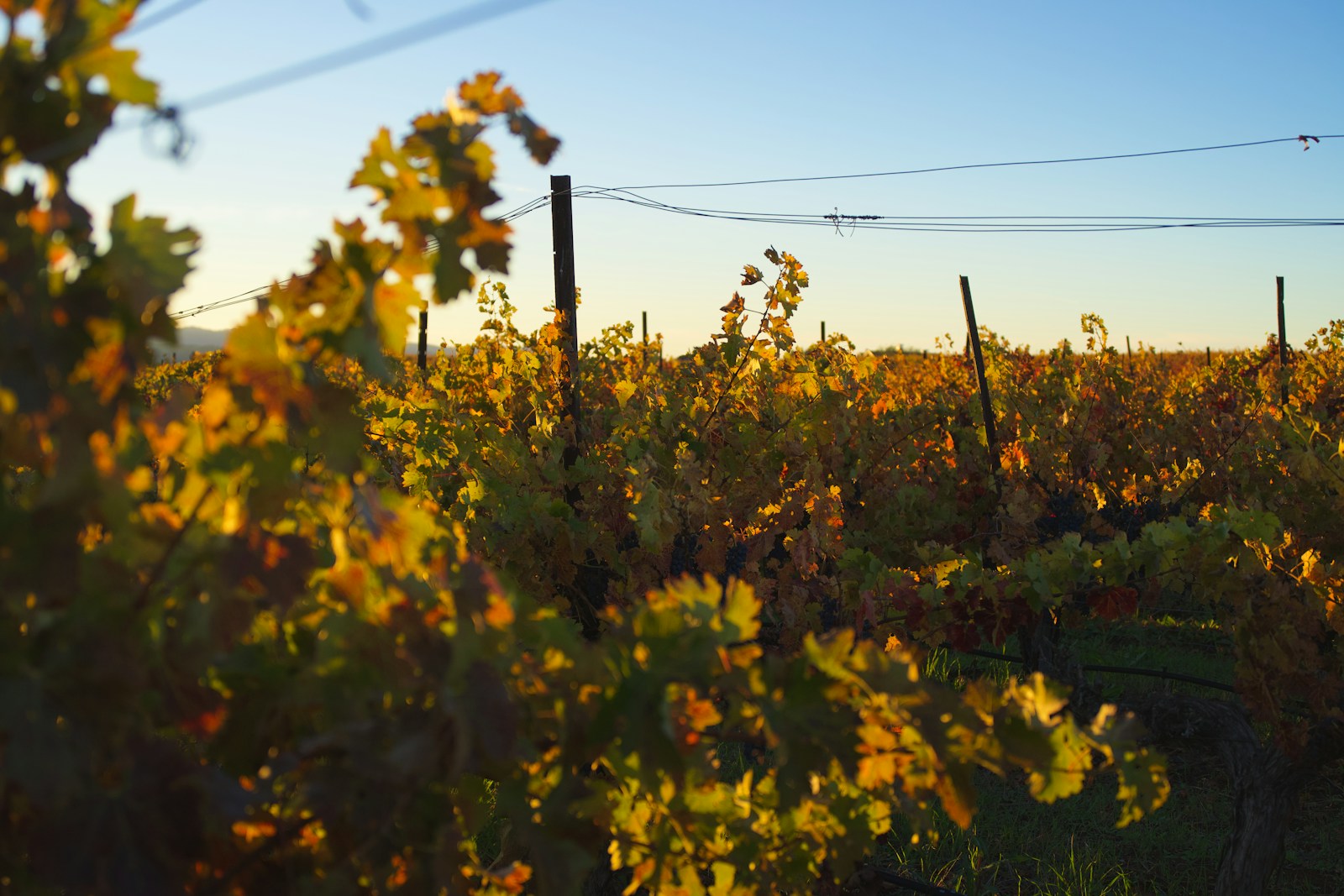
Eighty-four acres of apples, peaches, and grapevines where two growing regions meet outside Pelling Ridge. We still pick by hand, press in the old cider barn, and pour whatever the hills gave us that year.
Chapter one · The family
Two growing regions touch on this ridge — the hill soil of one, the river air of the other. That seam is the whole story of the place.
Emil and Rose Doerhoff bought this ground in 1954 because it was too steep to row-crop and nobody else wanted it. He planted apples on the first hill and peaches on the second, and when the frost took the peaches every third year, Rose said “plant something with deeper roots.” So the third hill went to grapes — Norton and Chambourcin, vines that like a hard ridge. Their son Walt built the tasting room out of the old packing shed. Now it’s us: Marie runs the barn and the front porch, Dan runs the orchard and the press, and our kids are the ones waving your car up the hill on Saturday mornings.
We sit where two American Viticultural Areas touch and at the north edge of Missouri peach country — why the same farm can give you a dry red with some backbone and a peach so ripe you eat it leaning forward. Sixteen towns’ worth of families make the drive every fall. Most of them have been coming longer than we’ve been running it.
— Marie Doerhoff, third generation
Chapter two · The cellar
Everything is grown, pressed, and bottled on the place. No tanker trucks, no bought juice. Plain labels, honest prices, and a tasting pour before you commit to a bottle.
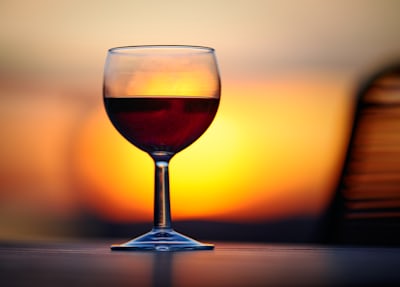
Dry red · hill three
Missouri’s own grape off our oldest vines. Dark, dry, built for brisket.
$22 · tasting pour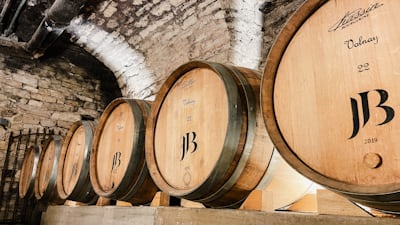
Medium red · barrel aged
Softer than the Norton, with a little smoke from used oak. The wedding pour.
$20 · tasting pour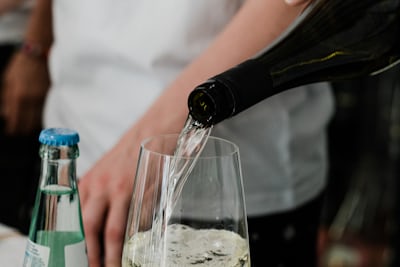
Semi-sweet white · chilled
Honeysuckle and pear. The porch wine everybody’s aunt takes home two of.
$18 · tasting pour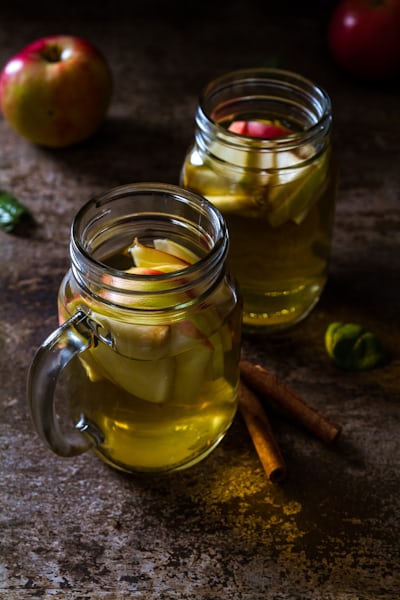
Hard cider · orchard blend
Six old apple varieties off hills one and four, pressed in the barn. Bone dry.
$14 · tasting pour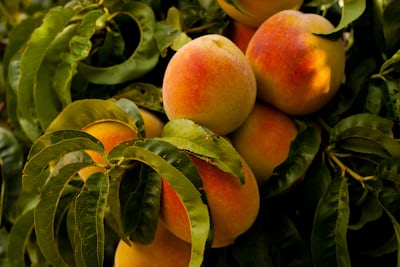
Dessert wine · hill two
Made only in years the frost misses the peaches. When it’s gone, it’s gone.
$24 · tasting pourTasting room open Thursday through Sunday, eleven to six. Five pours for eight dollars, waived with any bottle.
Chapter three · U-pick weekends
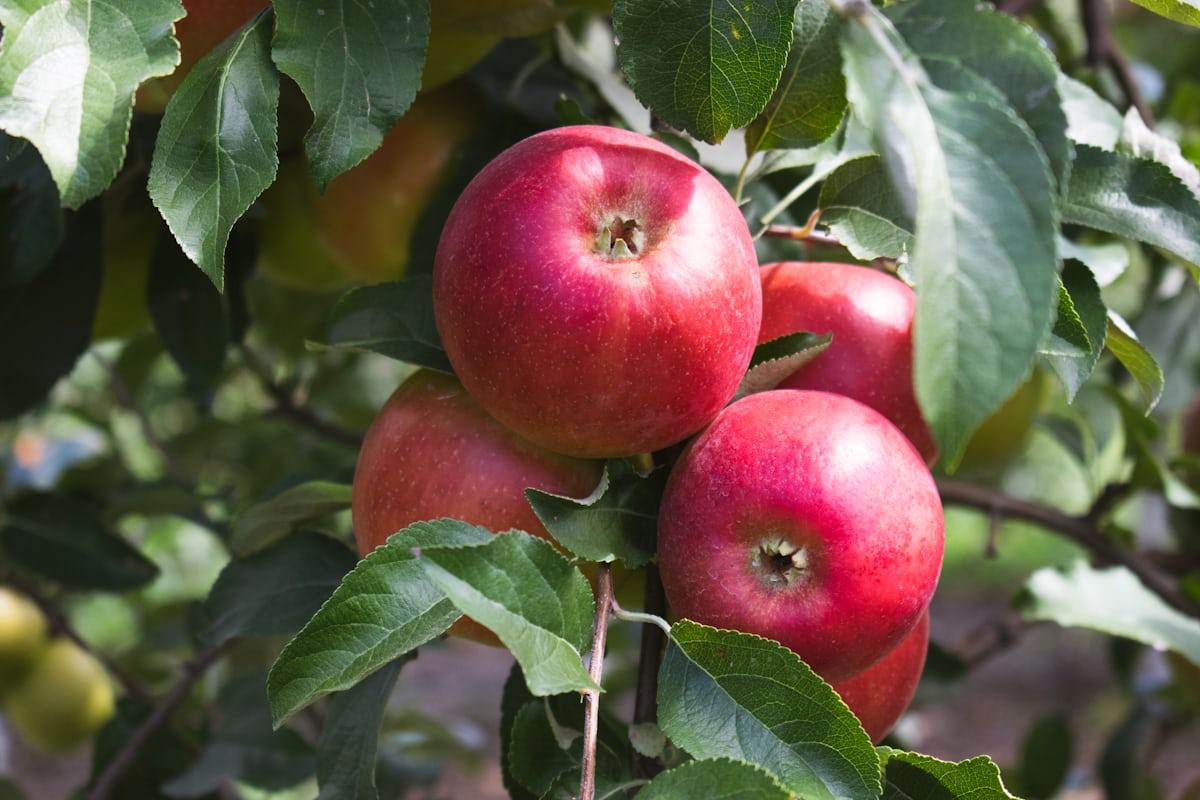
Park at the barn, ride the wagon up, pick what you’ll actually eat, and pay by the peck at the bottom. The cider press runs Saturday afternoons and you can watch your own apples go through it. Peaches run July and August; apples take over Labor Day weekend.
Chapter four · The cider barn
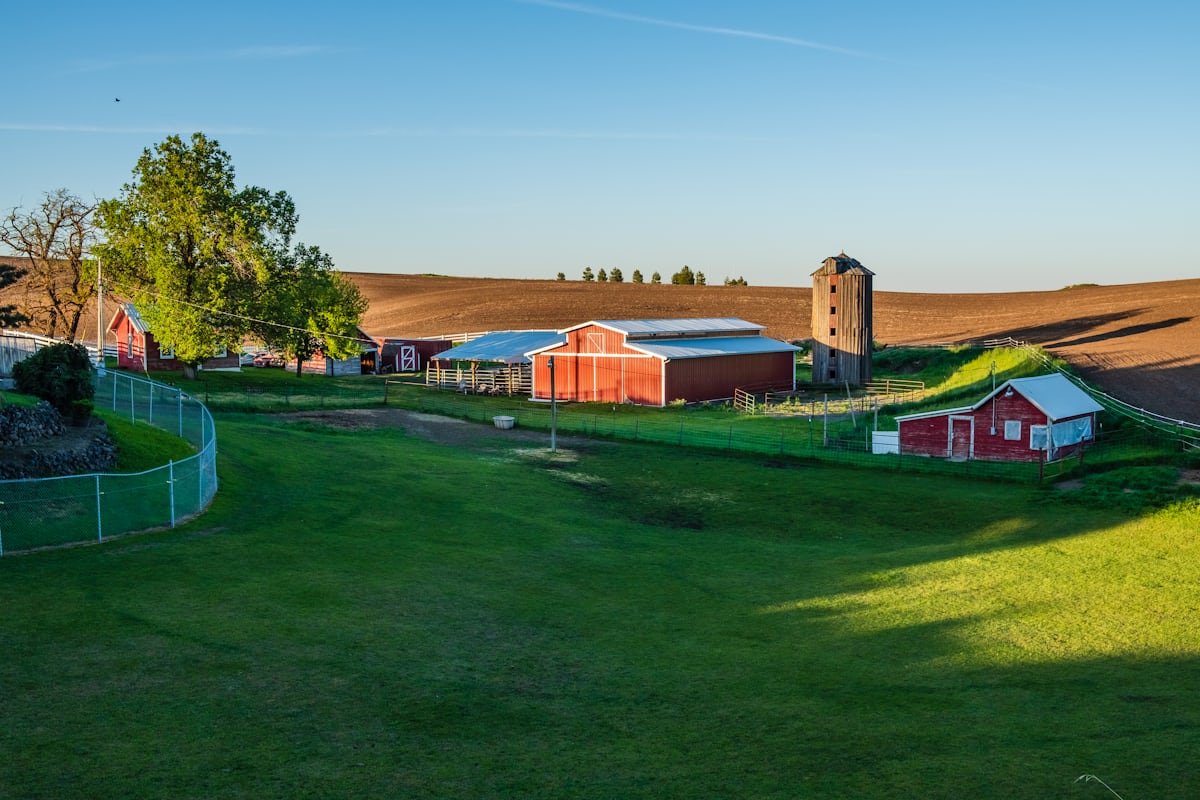
The 1911 cider barn holds a hundred and fifty with the doors thrown open, string lights in the rafters, and the ceremony site up on hill six where the rows frame the sunset. We host one event a weekend so the family working it is actually there for yours — Marie answers every inquiry herself, usually within a day.
Four hundred and ten households get a box each season — whatever the hills did best, a note from Dan about the vintage, and first call on Peach Porch years. Three-bottle and six-bottle memberships, pick-up parties in the barn, and we hold or reroute any shipment with one phone call. Or, these days, one note in the Barn Door Book below.
Families come up from the river towns on both sides of the ridge — some for a peck of apples, some for a wedding, some for a case of Norton and a long porch afternoon. If you can see a water tower from your kitchen window, you’re probably inside our u-pick radius.
Fall Saturdays are busiest ten to one. Come at nine or after two and you’ll have a row to yourself.
Event inquiries, club shipments, the weekend picking plan — drafted in seconds, sent by Marie.
Chapter five · The workflow
Everything that used to live on the clipboard by the barn door, in one book. The computer reads, checks the calendar, and drafts. Marie and the family still sign every page before anything reaches a guest, a member’s card, or the road sign.
Demo data — nothing here is real
The drafted reply will appear here,
waiting for Marie.
Sent. Marie reads every reply before it goes out — in the live build this emails the couple; in the demo nothing leaves this page.
| Member | Tier | Latest note | What the computer read | Drafted status |
|---|
Run confirmed. Labels print for the pull list only; held boxes wait, and the address change gets a phone call first. No card is charged before this click.
No reply reaches a couple, no card is charged, and nothing hits the road sign until Marie or the family clicks approve. The draft is a draft.
Read an inquiry, pull dates against the barn calendar, price from the posted events menu, read member notes for holds, and figure a weekend forecast.
Promise a date, send a reply, charge a club card, change an address on its own, or tell sixteen towns the orchard is open.
Chapter six · How this demo works
The reading is real: the event panel genuinely parses whatever you type — event type, guest count, month, day of the week — right in your browser, checks it against a canned barn calendar, and drafts the reply and line items from the posted events menu.
The judgment stays with people. Every draft stops at an approve button, the same way a real Detailed In Design build would route it to Marie before anything sends, ships, or posts.
Every name, date, member, and price on this page is invented. The winery is fictional; the workflow is the product.